
If surgery is the right path for your tumor, here's exactly what that involves
Dr. Rajesh Pathi performs brain tumor surgery with a clear goal for each case — sometimes removal, sometimes safe reduction, always balanced against protecting the function that matters most to you.
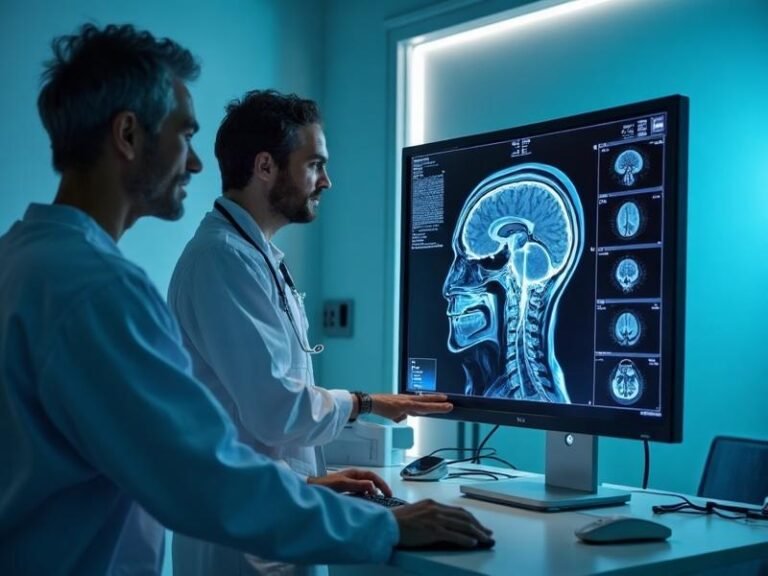
Removing "all of it" isn't always the goal — and that's by design
For some tumors, complete removal is the safest and most effective option. For others, especially near areas controlling speech, movement or vision, a careful partial removal that protects function is the better outcome. Every plan is built around your specific tumor and your specific brain — never a one-size-fits-all target.
What brain tumor surgery aims to achieve
A definite diagnosis
A tissue sample often gives the clearest possible answer about what the tumor actually is.
Relieving pressure
Reducing the tumor's size can ease pressure on surrounding brain tissue and symptoms it's causing.
Removing or reducing the tumor
Taking out as much as can be safely removed, based on its type and location.
Preserving function
Protecting speech, movement, vision or other abilities throughout the procedure.
How the surgical approach is decided
The plan depends on three things above all: where the tumor is, how it behaves, and what's safely reachable around it.
Standard craniotomy
The most common approach, giving direct access for most tumor locations.
Awake craniotomy, for select cases
When a tumor sits near areas controlling speech or movement, you may be briefly kept awake during part of the surgery so your team can monitor function in real time — always planned and explained well in advance.
Endoscopic or minimally invasive approaches
For select tumors, particularly at the skull base or pituitary, reachable through smaller openings.
Intraoperative monitoring
Continuous nerve and brain function monitoring during surgery, used where it adds a meaningful safety margin.
Your surgical journey, stage by stage
Detailed planning
Imaging review and planning specific to your tumor's location and type.
Every option explained
Including what monitoring or non-surgical paths would mean, where relevant.
Pre-operative preparation
Clear instructions on medication, fasting, and what to bring on the day.
Anesthesia & positioning
Careful positioning and monitoring by an experienced surgical team.
The procedure
Performed with the approach and precautions planned for your specific tumor.
Immediate post-op monitoring
Close observation in recovery before you're moved to a ward.
Hospital recovery
Duration depends on the extent of surgery and your individual recovery.
Guided rehabilitation
Support to regain strength, speech or coordination, where needed.
Ongoing follow-up
Scheduled imaging and reviews to monitor healing and long-term outcomes.
Pathology results & what comes next
Surgery is often the beginning of a longer picture coming into focus, not the final step.
Pathology results
Tissue removed during surgery is examined in a lab to confirm exactly what type of tumor it is — this usually takes some days and gives the most complete picture yet.
Possible referral for further treatment
Depending on the pathology result, you may be referred for radiation therapy, oncology input, or other treatment — explained clearly if and when it applies to you.
Ongoing imaging surveillance
Follow-up scans at intervals to monitor your recovery and watch for any recurrence over time.
Considering a second opinion before surgery?
For a decision of this significance, wanting an independent review is completely reasonable, and genuinely welcomed here.
Learn About Second Opinion Services
Dr. Rajesh Pathi
Dr. Pathi plans every brain tumor surgery around the specific tumor and the specific person in front of him — balancing the best possible outcome against protecting what matters most to that patient's daily life.
Questions patients often have
Not always, and not necessarily as the goal. For tumors near critical areas, a safe partial removal that protects function can be the better outcome than removing everything.
Tissue removed during surgery is sent for pathology testing, which usually takes a few days. Dr. Pathi will discuss the results with you as soon as they're available.
It depends entirely on the pathology results. Some tumors need no further treatment; others may need radiation or further oncology care, which would be explained and arranged if it applies.
It varies by the extent of surgery and the individual — from a couple of weeks to a longer period of rehabilitation. You'll be given a realistic, personal timeline as part of your care plan.
Whenever you're ready, we're here to help you understand what's next
Book a consultation with Dr. Rajesh Pathi — take the time you need, and bring anyone you'd like with you.