Minimally invasive spine surgery: what it is and who it may suit
Minimally invasive spine surgery treats spine problems through smaller openings. Dr. Rajesh Pathi, Fellow of the Minimally Invasive Spine Surgery society, will explain when it is an option and when it is not.

When to seek emergency care. New loss of bladder or bowel control, numbness around the saddle area, or rapidly worsening weakness in the legs need emergency care. Call 108 or go to the nearest emergency department.
Most spine problems are first treated without surgery
Surgery, minimally invasive or otherwise, is considered when other care hasn't helped or when nerves are at risk.
What to know about minimally invasive spine surgery
General information to help you ask the right questions — not a substitute for your own consultation.
What does it include?
Techniques such as microscope-assisted, tubular and endoscopic approaches.
What is it for?
Selected disc, narrowing and stability problems.
The aim
Less disturbance of surrounding tissue, where suitable.
Its limits
Some conditions need a more open approach.
What shapes the recommendation
The problem
Disc, narrowing, instability.
Symptoms
Pain, numbness, weakness.
Scans
Position and extent.
Alternatives
Non-surgical care.
What the process looks like
From assessment to follow-up.
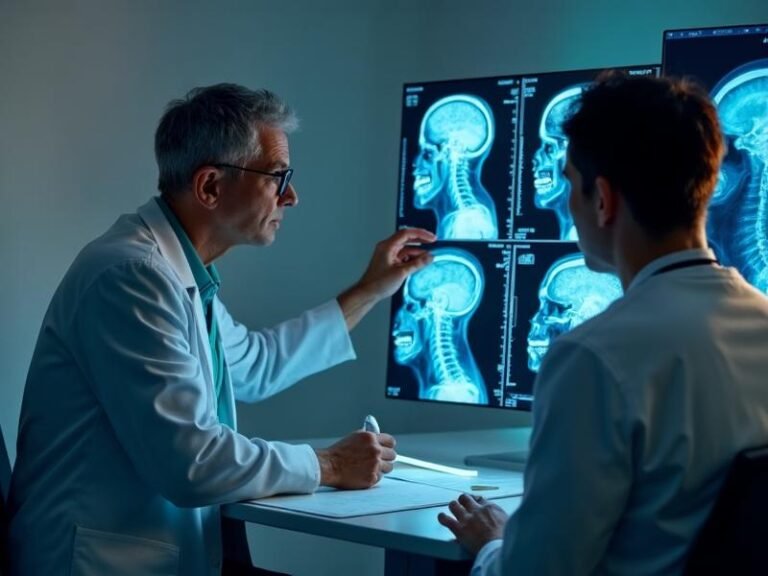
A thorough consultation and review of your scans.
A clear explanation of options.
If surgery is chosen, the most suitable technique is used.
Follow-up and rehabilitation.
Your journey, stage by stage
Assessment & scans
Your symptoms, examination and imaging are reviewed together.
Options & risks discussed
An honest conversation about surgery, alternatives and risks.
Preparation
Clear instructions about medicines, fasting and what to expect.
Anaesthesia & set-up
Careful preparation with continuous monitoring.
The operation
Carried out with precision, tailored to your case.
Close observation
Monitoring straight afterwards.
Early recovery
Guidance on movement, wound care and warning signs. Timelines vary.
Rehabilitation
Support to regain strength and function where needed.
Follow-up
Review of how you're recovering, with scans if appropriate.
Want to be sure before deciding?
A second opinion before an operation is common and welcome. Learn how second opinions work at Anoki.
Learn About Second Opinion Services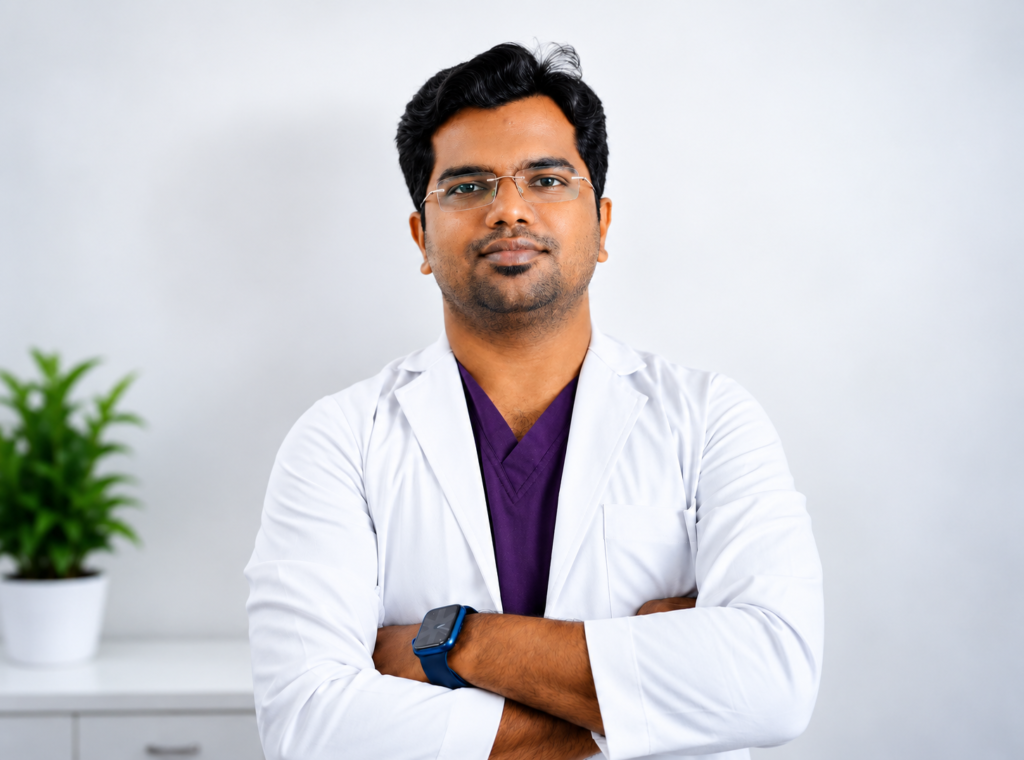
Dr. Rajesh Pathi
Dr. Pathi explains the full range of options and recommends surgery only when it is truly right.
Questions people often have
No.
Often, but it varies.
All surgery has risks. They will be explained.
Yes.
Want to talk through minimally invasive spine surgery?
Book a consultation with Dr. Rajesh Pathi at our Pragathi Nagar clinic.