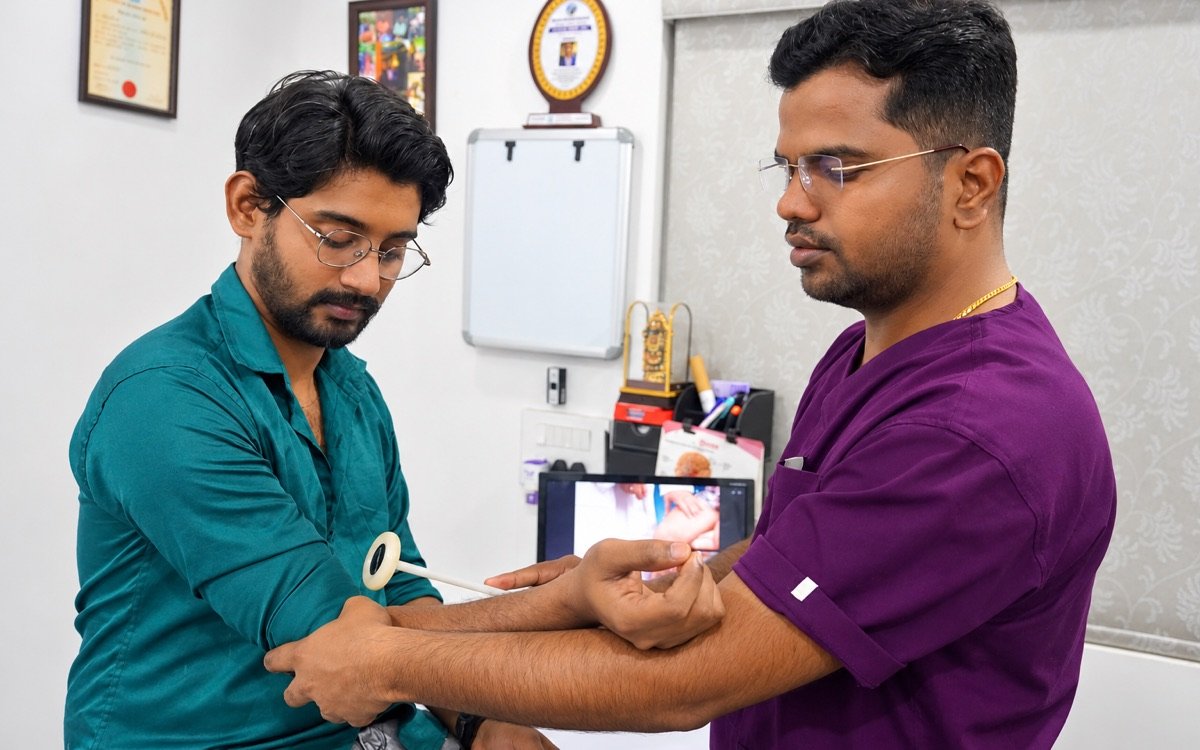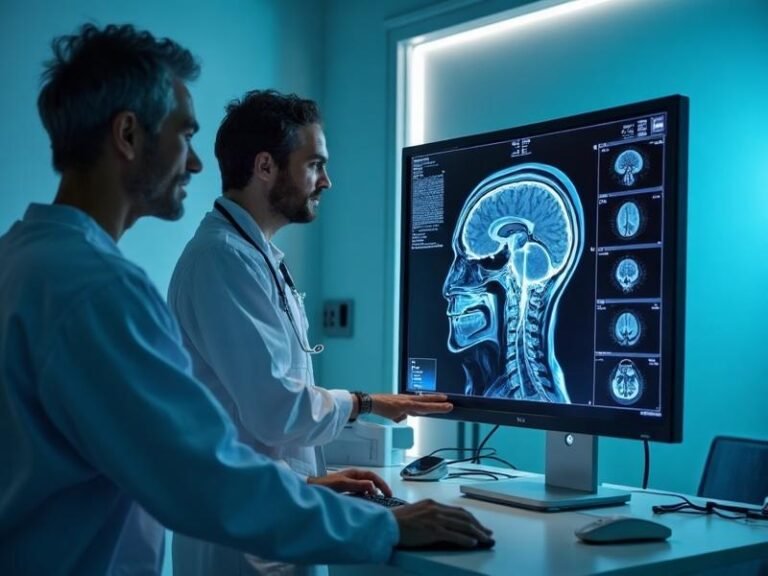
Before a major decision, a second set of eyes is a reasonable thing to ask for
If a neurosurgical procedure has been recommended to you, Dr. Rajesh Pathi will review your reports and imaging independently — and give you an honest, unhurried opinion, whether it agrees or differs.

Wanting to double-check isn't second-guessing your doctor
Neurosurgery is rarely urgent-emergency territory, which means there is almost always time to get a considered, independent view before deciding. An experienced surgeon expects this and won't be offended by it — and if your recommendation is confirmed, you'll move forward with real confidence rather than lingering doubt.
What a second opinion review covers
Independent imaging review
Your scans reviewed fresh, without assuming the first read was correct or incorrect.
Confirmation, or a different view
An honest answer on whether the recommended approach makes sense to Dr. Pathi.
Alternative options, if any exist
Conservative or less invasive approaches, where genuinely appropriate for your case.
Plain-language explanation
Your condition and the reasoning behind any recommendation, explained clearly.
Questions to bring to your second opinion
A useful starting point, whichever surgeon you ultimately choose.
What happens if I don't have surgery, or wait?
What non-surgical options exist, and have they been tried?
What is the specific goal of this surgery for my case?
What are the realistic risks, and how common are they?
What does recovery actually look like, week by week?
Is a minimally invasive approach an option for this condition?
These questions are meant to help you think clearly — they're not a test, and a good surgeon will welcome all of them.
What to bring
Everything relevant to your case
All imaging — films or discs, not just written reports
MRI, CT, or angiogram, as applicable to your condition.
The existing surgical recommendation
In writing, if available, including the proposed procedure.
Any pathology or lab reports
Where relevant to your specific diagnosis.
Your list of questions
Including any from the list above that matter most to you.
Getting your second opinion
Share your reports
Send or bring your imaging and existing recommendation ahead of your visit, where possible.
Independent review
Dr. Pathi reviews everything carefully before your consultation.
An honest conversation
Agreement, a different view, or additional options — explained clearly either way.
Your decision, your pace
No pressure to choose Anoki for treatment — the goal is your confidence.

Dr. Rajesh Pathi
Dr. Pathi treats second opinion consultations as a normal, valuable part of patient care. His review is based solely on your reports and imaging, aimed at giving you clarity and confidence — whatever the conclusion.
Before you book
No, you're not obligated to. Many patients do mention it, and most surgeons are entirely comfortable with the request — but the choice is yours.
He'll explain his reasoning clearly, including what he sees differently and why. The decision on how to proceed remains yours.
It's most common before major or irreversible procedures, but it's reasonable for any recommendation you'd like reviewed, large or small.
A second opinion specifically centers on reviewing an existing diagnosis or recommendation you've already received, rather than starting from a new symptom.
Want a second, independent perspective on a neurosurgery recommendation?
Bring your reports and imaging — Dr. Rajesh Pathi will review them carefully and walk you through what he sees.